Project
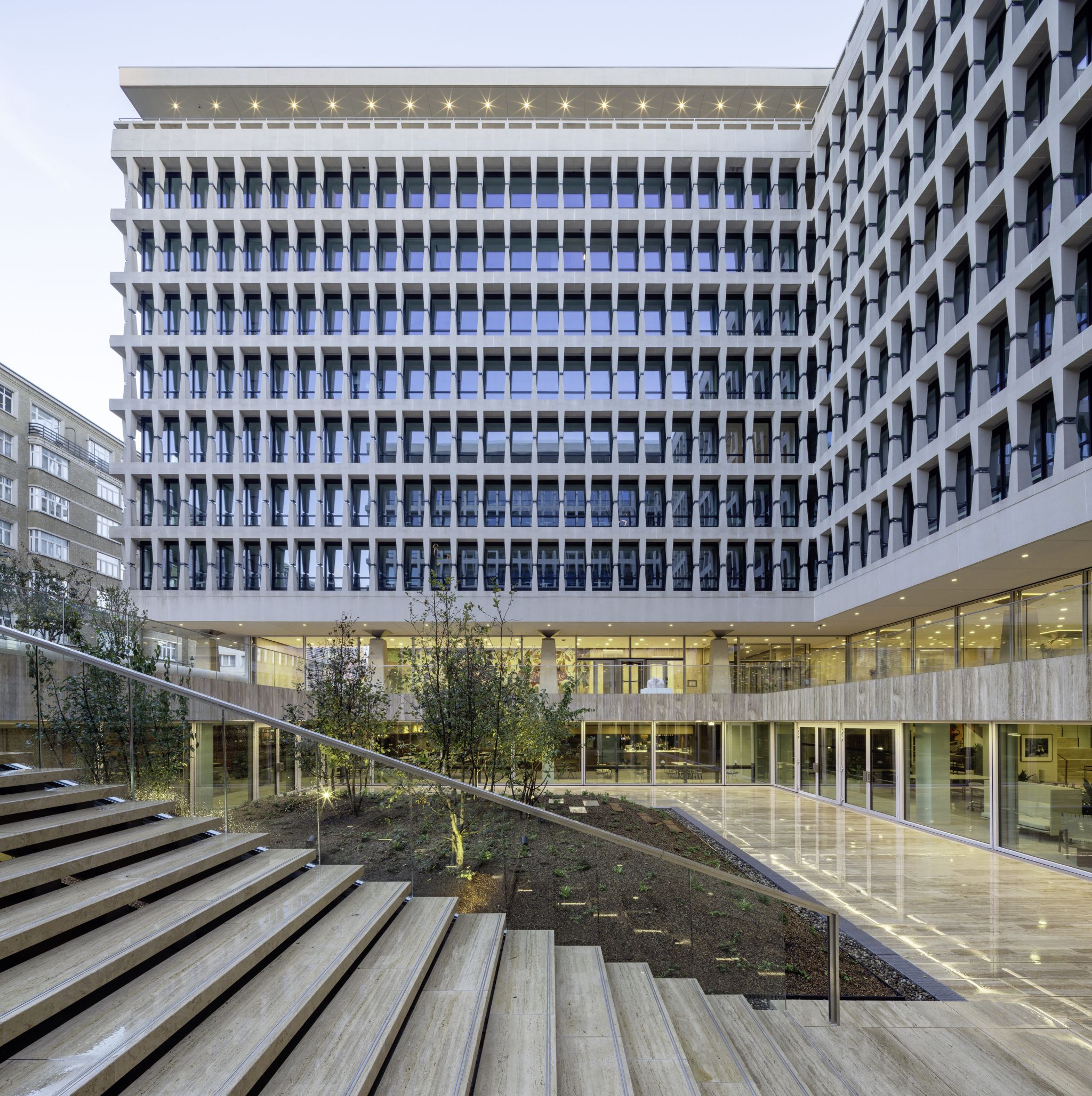
Marnix is a 54,000 m² office renovation in Brussels for ING Belgium, delivered within a large multi-model BIM coordination environment. The project required architecture to operate inside a dense technical ecosystem where documentation, interfaces, and model consistency had to remain aligned at every stage.
Architectural Idea
Large urban transformations cannot rely on isolated design gestures. At this scale, architecture must work through coordinated technical infrastructures, with facade development acting as a key interface between design intent and multidisciplinary integration.
System Challenge
The transformation of a major office complex in a dense urban context involved multiple architectural, structural, and technical models evolving in parallel. The challenge was not only to document the facade precisely, but to keep information exchanges reliable across all disciplines without losing clarity in the architectural package.
Method
The facade package was structured through shared BIM standards, milestone-based coordination reviews, and a template-driven detailing system. Controlled parameter logic made recurring facade conditions easier to update rapidly while reducing the risk of discrepancies between drawings and models.
Impact
The result was a more stable production workflow, improving drawing reliability and enabling smoother collaboration with technical stakeholders throughout the design coordination process. Documentation remained coherent across a large multidisciplinary team instead of becoming fragmented by scale.
Why It Matters
Marnix demonstrates project-scale systems leadership. The value lay in building the technical structure that allows architecture to stay legible and coordinated when a project becomes metropolitan in scale.